Meshy 7 Image to 3D Generator for Production-Ready Assets
Create a GLB model from one reference image with Meshy 7 image to 3D. Choose high-detail or low-poly output, topology, polygon count, and PBR materials.
Save Your 3D Models
Login to save, manage and share all your generated 3D models
Community 3D Models
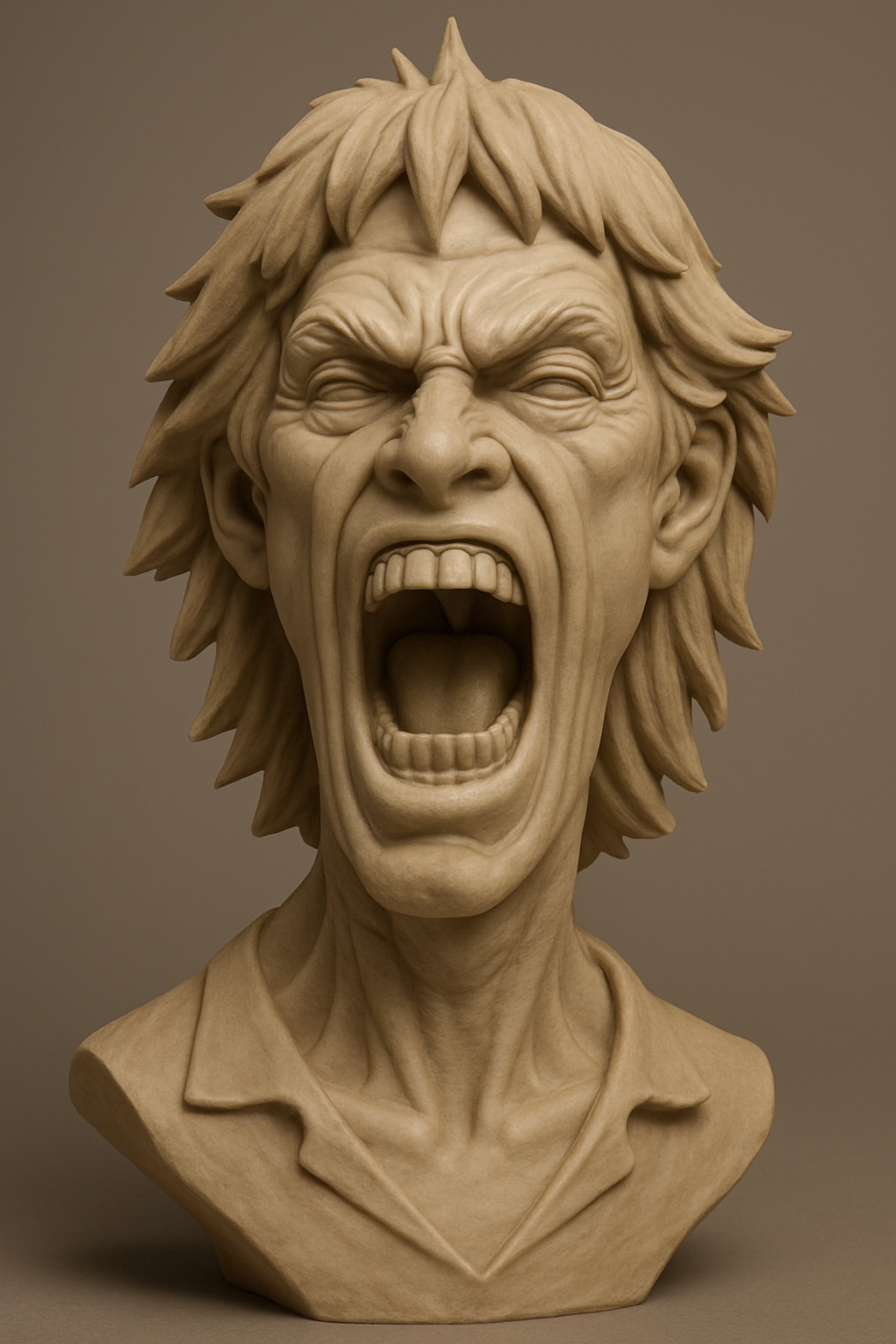
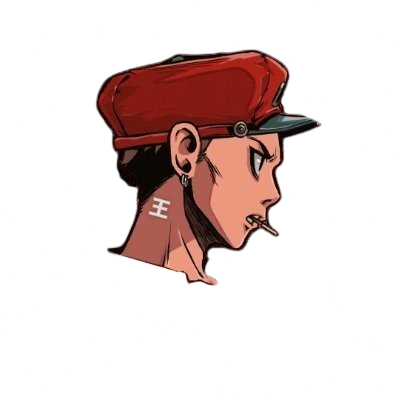
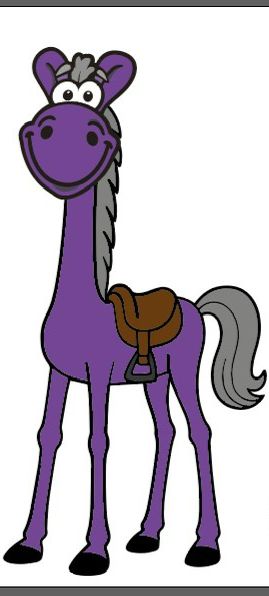
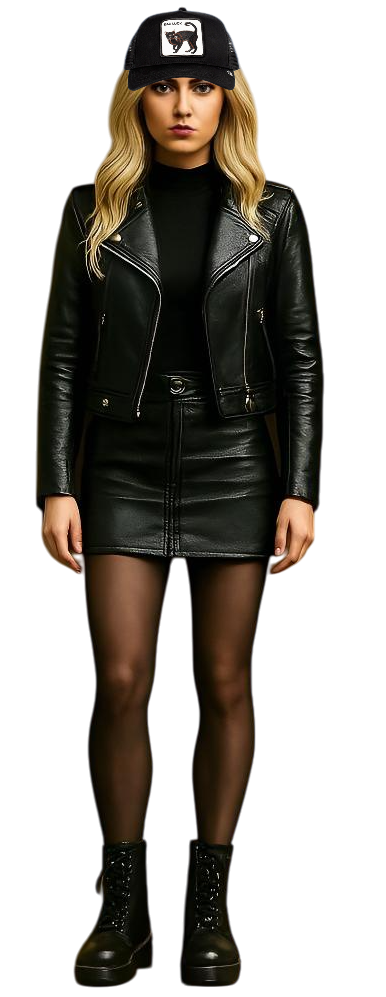
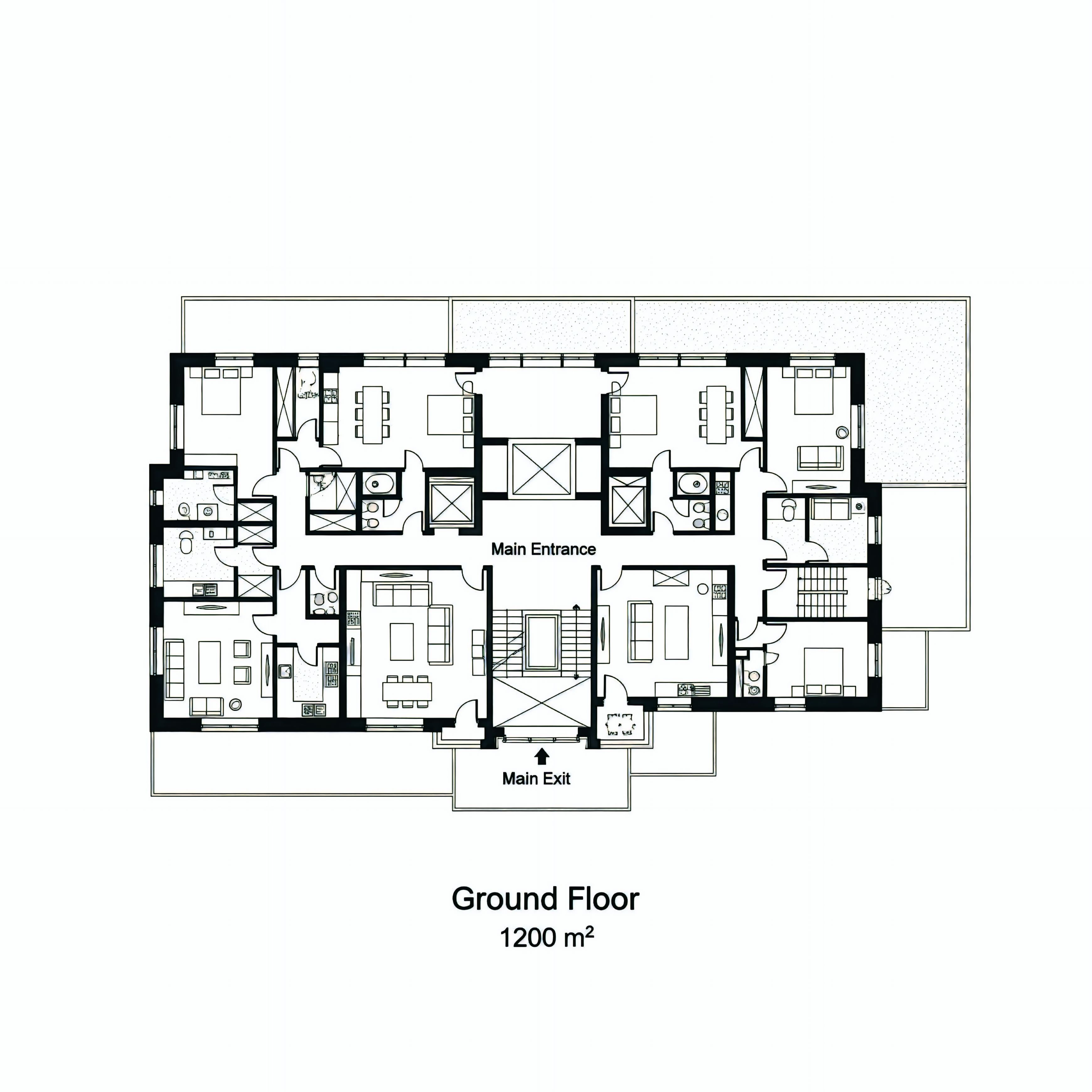
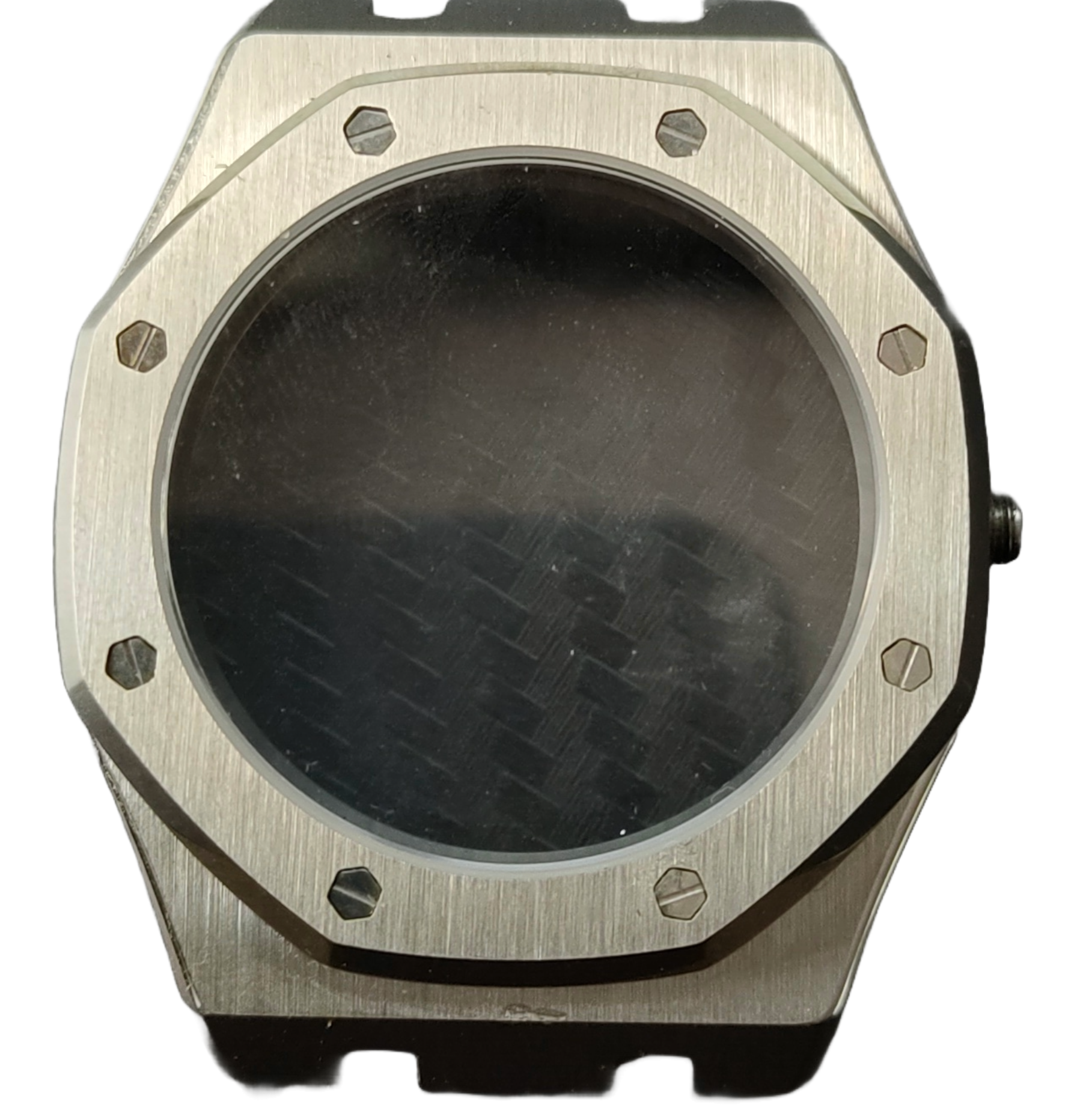
What is Meshy 7 Image to 3D?
Meshy 7 image to 3D turns one product photo, concept illustration, character image, or object reference into a downloadable 3D model. Upload an image, choose Standard or Low Poly, and receive a GLB asset for your 3D workflow.
Meshy 7 Image to 3D Controls
One Image, Complete Starting Point
Meshy 7 image to 3D follows a product, character, painting, or sketch when a visual reference matters more than text.
Standard or Low Poly Mesh
Select Standard for detail or Low Poly for lighter real-time assets.
Topology and Polygon Count
Standard generation supports triangle or quad topology and a 100–300,000 target polygon count.
Textures and PBR Materials
Create an untextured, textured, or PBR / Ultra model for the material workflow you need.
Why Use Meshy 7 Image to 3D on Story321?
Durable Generation
A signed-in Meshy 7 image to 3D job gets a Story321 record when accepted. In 3D history, follow pending, processing, finalizing, completed, or failed work.
Interactive Review
Open a completed asset in the browser to rotate, zoom, and auto-rotate before you download it.
Saved GLB Workflow
Story321 saves completed GLBs to your account history, so you can return later and use the secure download.
Transparent Credits
Each saved record shows its model name, creation date, and actual credit cost for faster experiment review.
How to Create a Meshy 7 Image to 3D Model
- 1
Prepare one clear reference image
Start with one visible, well-lit subject. Meshy 7 image to 3D has less information about hidden surfaces, so use a front or three-quarter view.
- 2
Pick Standard or Low Poly
Choose Standard for surface detail. Choose Low Poly for game-ready 3D assets and interactive rendering.
- 3
Set geometry and materials
For Standard, choose triangle or quad topology and polygon count. Enable textures for a finished asset, or PBR / Ultra for more maps.
- 4
Track, review, and export
Submit the Meshy 7 image to 3D job, then track it in history. When complete, preview, download, or share the saved GLB; review inferred surfaces before using it.
Meshy 7 Image to 3D Use Cases
Product Visualization
Turn a product image into a starting asset for a configurator, campaign mockup, or internal review. Validate dimensions separately.
Game and Web Assets
Use low poly image to 3D for props and scene objects. Check triangles, textures, collisions, and draw calls before shipping.
Concept Art to Blockout
Turn concept art into a blockout for a pitch, animation test, or level-planning session.
AR, VR, and Interactive Previews
Use a GLB asset in browser viewers and immersive workflows after testing file size, materials, lighting, and interaction.
Meshy image to 3D limitations
- Inspect generated geometry, texture placement, and scale before production use.
- The selected model form is the source of truth for current inputs, settings, and credits.
Continue Your 3D Workflow
AI 3D Studio
Explore Story321's 3D creation workspace and its image, text, and texture tools.
Open AI 3D StudioImage to 3D
Compare Meshy 7, Trellis 2, and Hunyuan 3D V3 from one image workflow.
Open Image to 3DText to 3D
Create a starting model when you have an idea but no prepared reference image.
Open Text to 3DPricing
Review Story321 credits before generating.
View Pricing
Frequently Asked Questions
What is Meshy 7 image to 3D used for?
It creates a 3D starting asset from one product image, concept illustration, character image, object reference, or sketch.
What images work best with Meshy 7 image to 3D?
Use one clear subject with visible shape detail, even lighting, and a simple background. Hidden surfaces still need review.
Should I choose Standard or Low Poly?
Choose Standard for a higher-detail mesh and topology controls. Choose Low Poly when you need a lighter model for real-time work.
What does PBR / Ultra Materials do?
PBR / Ultra Materials adds material maps alongside base color for renderers and game engines using metallic, roughness, and normal data.
Can I create an untextured model?
Yes. Turn off Generate Textures for an untextured mesh. PBR / Ultra Materials is automatically disabled when textures are off.
How much does Meshy 7 image to 3D cost on Story321?
An untextured model costs 160 credits, a textured model costs 240 credits, and PBR / Ultra costs 280 credits. The form shows the applicable cost before generation.
Is the generated GLB ready to ship?
Treat the GLB as a starting point. Review geometry, hidden surfaces, UVs, textures, scale, file size, rights, and technical limits.
Can I leave the page while Meshy 7 is generating?
Yes. After a signed-in Meshy 7 image to 3D job is accepted, Story321 keeps a durable 3D record. Return to your 3D history to follow pending, processing, finalizing, completed, or failed status.
Can I preview, download, or share my Meshy 7 model?
Yes. Signed-in users can preview a completed model, download the GLB, or create a share link. Sharing can include an optional password; links without one can also provide embed code.
Meshy 7 Image to 3D Pricing
Credits match the final material choice: untextured, textured, or PBR / Ultra. The form shows the Meshy 7 image to 3D cost before submission.
- Untextured mesh
- 160 credits per model
- Textured model
- 240 credits per model
- PBR / Ultra Materials
- 280 credits per model
Meshy 7 Image to 3D Specifications
| AI model | Meshy 7 Image to 3D |
|---|---|
| Input | One image URL or uploaded image |
| Model Type | Standard or Low Poly |
| Standard topology | Triangle or Quad |
| Target polygon count | 100–300,000; 30,000 by default |
| Textures | Enabled by default; may be disabled |
| PBR materials | Optional when textures are enabled |
| Durable job | Persistent status record after signed-in submission |
| Account history | Saved model, date, name, and credit cost |
| Web preview | Rotate, zoom, and auto-rotate viewer |
| Download and sharing | GLB download, share link, optional password, and embed code |
| Output | GLB model saved through Story321's durable 3D workflow |
| Not exposed in this form | Multi-image, pose, rigging, and animation controls |
Official Meshy 7 Sources
Read the Meshy Image to 3D API documentation“Specify the type of 3D mesh generation.”
Read the Meshy Image to 3D guide“Upload an image, and AI generates a corresponding 3D model with textures.”
Create Your Meshy 7 Image to 3D Model
Upload one reference, choose the geometry and material options that fit your workflow, then save, inspect, download, or share a Meshy 7 image to 3D GLB asset for review.
Generate a 3D Model